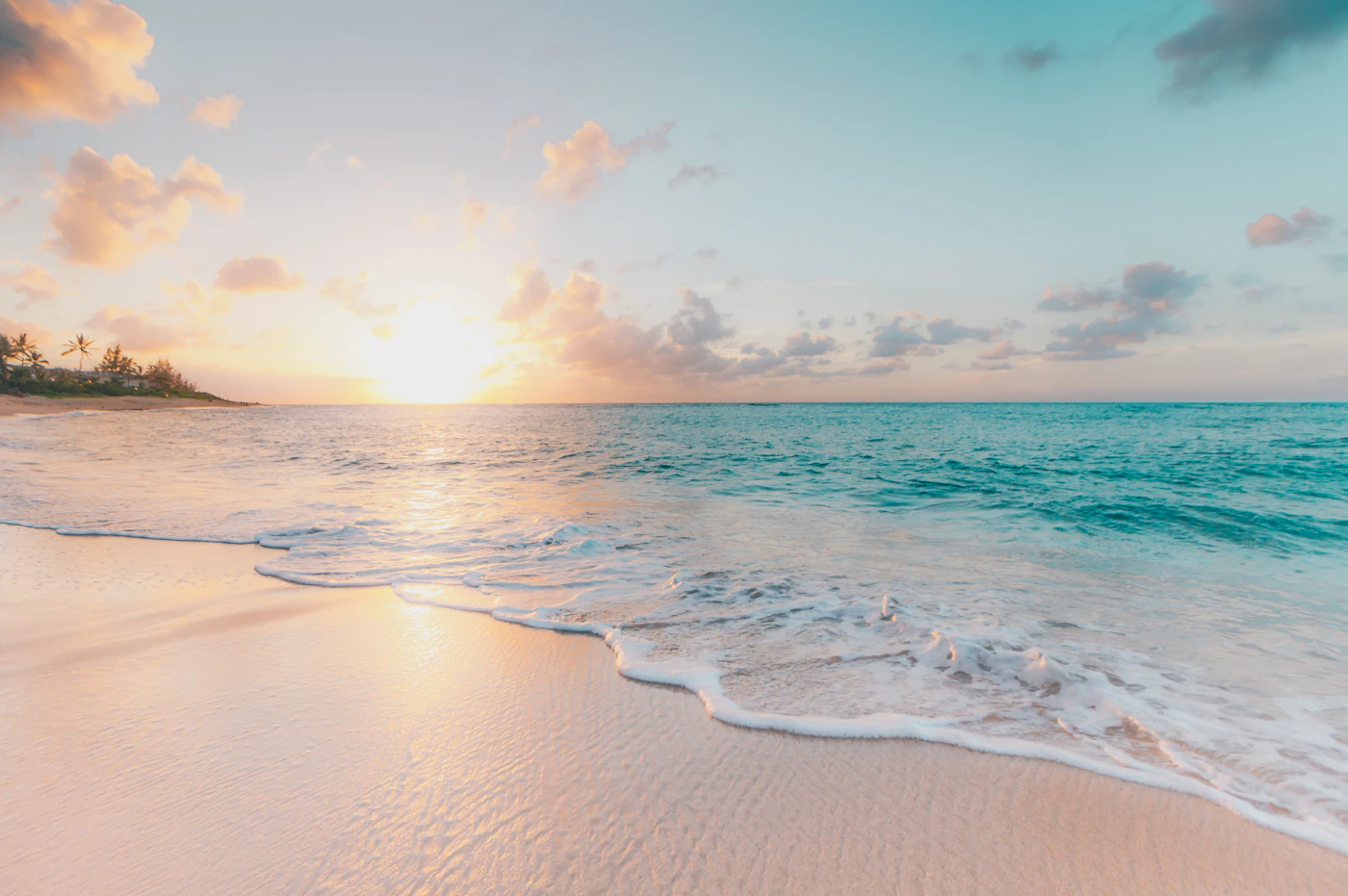
Hawaii is one of those places that gets oversold in photos and undersold in conversation. Everyone has seen the postcards of Waikiki and the cliffs of the Na Pali Coast, but most travelers don't realize that the six visitable islands feel like six different countries. You can stand on a snow-dusted volcano summit in the morning on the Big Island and snorkel with sea turtles by lunch. You can spend Monday in a slow rural town where the only sounds are roosters and rain on a tin roof, and Tuesday in a high-rise Honolulu cocktail bar.
The trip that disappoints is almost always the one where someone tried to "do Hawaii" in a week, hopped four islands, and spent half the trip in airports. The trip that delivers picks one or two islands, slows way down, and lets the place set the pace. This guide is everything we've learned about how to choose, how to plan, and how to avoid the avoidable mistakes.
Choosing Your Island
Oahu — The Classic First Trip
Oahu is where most first-timers land, and there are good reasons to start here. It's the home of Honolulu, Waikiki Beach, Pearl Harbor, the famous North Shore surf breaks, and a deep restaurant scene that the other islands can't match. You also get the easiest logistics: cheap flights, the most rental cars, and direct buses to most major sights.
What surprises people is how much non-touristy Oahu there is. Drive 30 minutes from Waikiki and you're hiking knife-edge ridges with no one else around. The windward coast (Kailua, Lanikai, Kualoa) feels like another island entirely. Stay 4-6 nights — longer than that and you'll start to feel the urban density.
Maui — The All-Rounder
Maui is the island most people remember most fondly. The Road to Hana is a legendary day-long drive through waterfalls and bamboo forests. The summit of Haleakala at sunrise is a moonscape above the clouds. Snorkeling at Molokini Crater is genuinely world-class. And the beaches in Wailea and Kaanapali are wide, soft-sand, and built for doing absolutely nothing.
Note that the town of Lahaina, devastated by the 2023 wildfires, has been gradually rebuilding. Travelers are now encouraged to visit Maui and spend money locally — tourism is the main engine of the recovery. Just be respectful in areas still in repair. 5-7 nights is the sweet spot for Maui.
Kauai — The Wild One
Kauai is the oldest of the main islands and looks it: deeply eroded green ridges, hidden waterfalls, the cliffs of the Na Pali Coast, and a feeling that you're somewhere genuinely remote. It rains more here, the towns are smaller, and there is no four-lane highway or city skyline anywhere on the island.
This is the island for hikers, kayakers, and people who want to feel the wild side of Hawaii. The Kalalau Trail is one of the best coastal hikes in the world. Waimea Canyon is sometimes called "the Grand Canyon of the Pacific" and almost lives up to the nickname. 4-6 nights works well.
Big Island (Hawaii Island) — The Geological Wonder
The Big Island lives up to its name — it's bigger than all the other islands combined and is still growing thanks to Kilauea, one of the world's most active volcanoes. You'll find tropical rainforest on the east side (Hilo), arid lava deserts on the west side (Kona), green-sand and black-sand beaches, snow on Mauna Kea in winter, and some of the best stargazing on Earth from the summit observatories.
The downside: distances are huge. Driving from Kona to Volcanoes National Park is over two hours each way. Plan to base in two different towns (typically Kona and Hilo or Volcano Village) to avoid wasting your trip in the car. 6-8 nights if you want to do it properly.
Lanai and Molokai — The Quiet Ones
Lanai is tiny, mostly owned by Larry Ellison, and home to two ultra-luxury Four Seasons resorts plus very little else. Molokai is the opposite: rural, locally owned, and self-consciously protective of traditional Hawaiian culture. Both reward travelers who want quiet and don't need much infrastructure, but neither belongs in a first trip.
How Many Islands Should You Visit?
For a one-week trip, one island. For 10 days, one or two. For two weeks, two or three at the most. Inter-island flights are short (~40 minutes) but the airport and rental car hassle on each end eats up a half day every time. Most travelers who do four islands in a week come home exhausted and remember airports more than beaches.
When to Go
The Sweet Spots: April-May and September-October
These shoulder months offer the best balance of price, weather and crowd levels. Whales are gone (humpback season is December-April, mostly off Maui), the surf has calmed on the north shores, prices on hotels are 20-40% lower than peak, and the weather is the textbook 26-29°C (78-85°F) you imagine when you imagine Hawaii.
Peak Season: Mid-December to Early January and Mid-June to Mid-August
The Christmas/New Year window and the school-summer window are the busiest and most expensive periods. Hotels in Waikiki and Maui run 40-80% above shoulder pricing, and the most popular rentals sell out months ahead. Book early or pick a different week if you can.
Winter (Nov-March)
Cooler, wetter, and bigger surf on the north shores of every island. December-March is also prime humpback whale watching season, especially in the channels between Maui, Lanai, and Molokai. The trade-off: north-facing beaches that are calm and snorkelable in summer can be dangerously rough in winter. Always check conditions and posted signs before swimming.
The Best Things to Do
Beaches Worth Planning Your Trip Around
- Lanikai Beach (Oahu): Powder-soft sand and turquoise water with two small islands offshore. Park-and-walk in residential Kailua — arrive before 9am.
- Hanauma Bay (Oahu): Protected snorkel cove with reef fish a few feet from shore. Reservations required — book online days in advance.
- Wailea Beach (Maui): Long crescent of golden sand, lined with resorts but never feels crowded.
- Hamoa Beach (Maui): Past Hana on the back road — the kind of beach James Michener called the world's most beautiful.
- Hanalei Bay (Kauai): Two miles of crescent beach with a mountain backdrop that doesn't look real.
- Papakolea Green Sand Beach (Big Island): A 5-mile round-trip walk to a beach the color of olives. One of four green-sand beaches in the world.
Hikes That Earn the Sweat
- Diamond Head (Oahu): Short, popular, and the views over Waikiki are worth the queue. Reserve a parking slot in advance.
- Koko Head Stairs (Oahu): 1,048 old railway sleepers straight up the spine of a crater. Brutal cardio, world-class views.
- Kalalau Trail (Kauai): The full 11-mile one-way trail requires permits and is serious wilderness; the first 2 miles to Hanakapiai Beach is a magnificent day hike.
- Pipiwai Trail (Maui): 4-mile out-and-back through bamboo forest to a 400-foot waterfall. Often muddy — bring trail shoes.
- Sliding Sands (Maui): The hike across the crater of Haleakala feels like another planet.
Once-in-a-Lifetime Drives and Tours
- The Road to Hana (Maui): 600 curves and 50+ bridges along a coast of waterfalls, sea cliffs and rainforest. Start at sunrise, stop often, and consider staying overnight in Hana so you're not racing daylight on the way back.
- Mauna Kea sunset and stargazing (Big Island): Drive to the visitor center at 9,000 feet, then join a guided tour to the 13,800-foot summit for sunset. The stars at this altitude are unforgettable.
- Na Pali Coast boat tour or helicopter (Kauai): The famous cliffs are only viewable by boat, foot, or air. A morning catamaran with snorkeling is the most accessible option.
- Volcanoes National Park (Big Island): Walk through a lava tube, drive the crater rim, hike across a hardened lava field. Stay until after dark to see the glow if Kilauea is active.
Food: What to Eat and Where
Hawaii's food scene is wildly underrated. Centuries of immigration from Japan, Korea, China, the Philippines, Portugal, and the mainland US have produced one of the most distinct regional cuisines in America — and one of the best deals if you skip the resort restaurants.
The Dishes to Order
- Poke: Cubed raw fish (usually ahi tuna) with soy, sesame oil, onions, seaweed. The poke counter at any local supermarket destroys the trendy mainland versions. $12-16 for a giant bowl.
- Plate Lunch: Meat (kalua pork, chicken katsu, loco moco), two scoops of rice, mac salad. The classic working lunch — cheap, filling, and good.
- Spam musubi: Don't laugh. Grilled Spam on rice wrapped in nori. Convenience-store standard. Surprisingly good.
- Shave ice: Not snow cones — the ice is shaved so finely it's like silk. Order with sweet azuki beans and condensed milk on top.
- Malasadas: Portuguese fried dough, sugary and pillowy. Leonard's Bakery on Oahu is the original.
- Saimin: Hawaii's homegrown noodle soup, a Japanese-Filipino hybrid you can't get anywhere else.
Where to Eat
The pattern is the same on every island: the resort restaurants are good but overpriced. Drive 10 minutes inland and you'll find food trucks, plate-lunch joints, and family-owned diners doing better food for a third of the cost. Ask locals, look for handwritten menus, and follow the lines of construction workers at lunchtime.
Costs: What You'll Actually Spend
Hawaii is the most expensive US state to visit, but you can manage the budget if you're deliberate. Per-day estimates for shoulder season, per person, excluding flights to Hawaii:
- Backpacker (hostels, food trucks, rental car shared): $90-130/day
- Mid-range (3-star hotel or condo, rental car, casual restaurants): $200-300/day
- Comfort (4-star resort, some excursions, nice dinners): $400-600/day
- Luxury (resort suite, helicopter tour, fine dining): $800+/day
Two non-obvious cost drivers: resort fees (often $40-60/night on top of the room rate) and the new "green fee" (a small per-visitor environmental charge introduced in 2026 on overnight stays). Budget another 15-20% over the room rate for taxes and fees combined.
How to Save Real Money
The biggest savings come from where you stay, not what you do. A condo from VRBO or Airbnb on Maui or Kauai often runs 30-50% less than a resort and gives you a kitchen, which lets you stop spending $80 a day on hotel breakfasts. A Costco run on your first day for groceries, coolers, snorkel gear, and sunscreen saves hundreds over a week.
On flights, mainland-to-Honolulu fares are usually 40-60% cheaper than direct flights to Maui, Kauai, or Kona. If your trip is mostly on a neighbor island, it can still be cheaper to route through Honolulu and take a $50-90 Hawaiian Airlines hop than to fly direct. Use our cheap flights tips to time it right.
Tell us when you want to go and what kind of trip you want — we'll find the cheapest flights and hotels for your dream Hawaii vacation.
Plan My Hawaii TripSample Itineraries
7 Days: One-Island Slow Trip (Maui)
- Days 1-2: Arrive Kahului, beach base in Wailea or Kaanapali, snorkel Molokini half-day
- Day 3: Sunrise at Haleakala summit, downhill bike, afternoon nap
- Day 4: Beach day, sunset dinner
- Days 5-6: Overnight Road to Hana — stay one night in Hana
- Day 7: Slow morning, return to airport
10 Days: Two-Island Classic (Oahu + Kauai)
- Days 1-4: Oahu — Waikiki, Pearl Harbor, North Shore day trip, Diamond Head, Lanikai
- Day 5: Morning flight to Kauai, settle in north shore (Princeville/Hanalei)
- Days 6-9: Kauai — Na Pali boat tour, Waimea Canyon, Hanakapiai hike, beach time
- Day 10: Fly home from Lihue (via Honolulu if needed)
14 Days: Three-Island Big Trip (Oahu + Maui + Big Island)
- Days 1-3: Oahu — Honolulu, Pearl Harbor, North Shore
- Days 4-8: Maui — Haleakala, Road to Hana, Molokini, beach days
- Days 9-13: Big Island — split Kona side and Volcano Village, Mauna Kea, green-sand beach
- Day 14: Fly home
Practical Tips Nobody Tells You
You Will Need a Rental Car (Except Sometimes on Oahu)
On Maui, Kauai, and the Big Island, a rental car is essentially required — public transit barely exists. Book months ahead in summer and winter; rental shortages used to spike prices to $150+/day. On Oahu, you can survive without a car if you stay in Waikiki and use rideshare for excursions.
Reef-Safe Sunscreen Is the Law
Hawaii bans sunscreens containing oxybenzone and octinoxate. Bring mineral sunscreen (zinc oxide) from home or buy it on the island for $20+ a tube. Resort gift shops sell it; airport security will confiscate non-compliant bottles in some cases.
Respect the Ocean
The Pacific kills tourists every year, almost always because they ignored posted warnings, swam at unguarded beaches, or turned their backs on the surf. North-facing beaches in winter and south-facing beaches in summer can have dangerous swells. Always check conditions, swim at lifeguarded beaches when possible, and don't underestimate the current.
Respect the Place
Hawaii is not a theme park. It's a real place with a real culture, complicated history, and a population that has watched their islands transform under tourism pressure. Small things matter: don't stack rocks (it disturbs ecosystems and bothers locals), don't touch sea turtles or monk seals (federal law), tip well, and learn to say mahalo (thank you) and aloha properly.
Don't Try to Hop Too Much
Mentioned already, but worth repeating: every inter-island flight eats half a day. Sleep more nights on fewer islands.
The Bottom Line
The Hawaii trip that delivers is the one where you pick the right island for your style, give it real time, and don't try to manufacture every minute. Drive slowly. Eat at the place with the handwritten menu. Wake up early enough at least once to watch the sun come up over the ocean. Snorkel until your back is hot from the sun and your feet are pruned. Sit in a beach chair and read a whole book.
For the curious traveler who wants the iconic Hawaii on a first trip, go to Maui or Oahu. For repeat visitors or anyone craving wild beauty, Kauai or the Big Island. Whichever you pick, leave the over-packed itinerary at home. The best Hawaii moments are almost never on a schedule — they're a rainbow appearing over a beach you stumbled on, or a sea turtle drifting past your snorkel, or a sunset where nobody around you is talking. Plan less, stay longer, and the islands will do the rest.