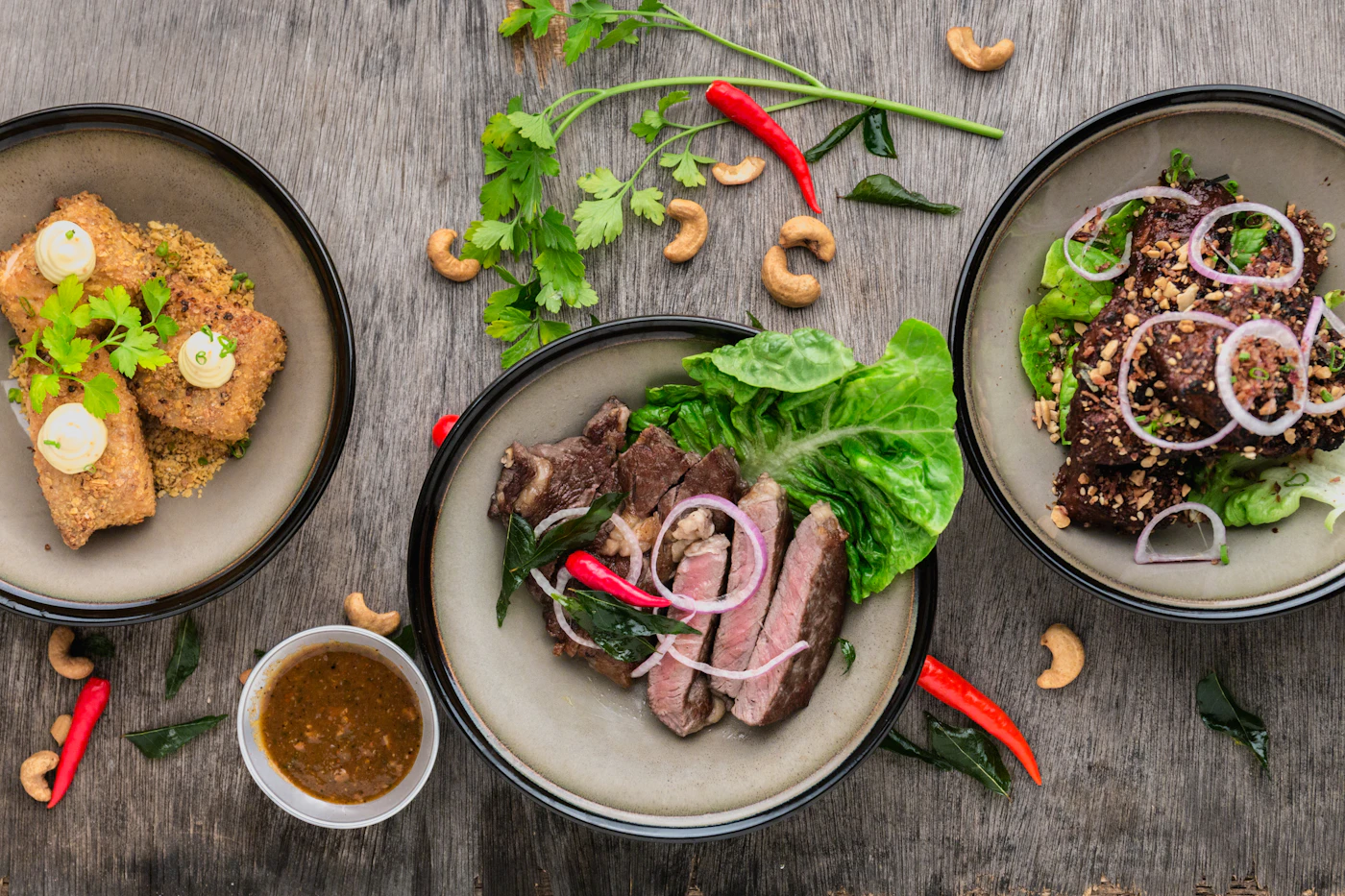
Food is one of the most powerful reasons to travel. A single bite of freshly made pasta in Bologna or a bowl of pho slurped at a Hanoi street stall can tell you more about a culture than any museum. And in 2026, culinary tourism is booming - more travelers than ever are choosing destinations based on what they can eat rather than what they can see.
Whether you're a street food fanatic, a fine dining enthusiast, or someone who loves taking cooking classes abroad, these 12 destinations offer the best food travel experiences in the world. We've included practical budget information, must-try dishes, and tips on how to eat like a local at each stop.
Asia: Where Street Food Is King
1. Tokyo, Japan
Tokyo has more Michelin-starred restaurants than any other city on Earth - over 200 at last count. But the real magic happens at the affordable end: tiny ramen shops with just eight counter seats, standing sushi bars in Tsukiji Outer Market, and izakaya alleys in Shinjuku where a full meal with beer costs under $15.
Must-try dishes: Tonkotsu ramen at a local shop (around $8-10), omakase sushi at a mid-range counter restaurant ($50-80 for an extraordinary experience), fresh tempura, yakitori under the train tracks in Yurakucho, and fluffy Japanese soufflé pancakes for breakfast.
Budget tip: Department store basement floors (called "depachika") offer incredible prepared foods at reasonable prices. Many restaurants offer significantly cheaper lunch sets (teishoku) compared to dinner, often half the price for nearly identical quality. For a deeper dive into Japan, check out our Japan travel guide for first-timers.
Daily food budget: $25-40 eating at local restaurants and street stalls; $80-150 if you mix in a fine dining experience.
2. Bangkok, Thailand
Bangkok's street food scene is legendary, and despite growing modernization, the city's sidewalk kitchens remain some of the best places to eat on the planet. Yaowarat (Chinatown) at night transforms into a sensory explosion of wok flames, sizzling oyster omelets, and charcoal-grilled satay. The Michelin Guide has even awarded stars to street food vendors here - a testament to the extraordinary quality you can find for just a few dollars.
Must-try dishes: Pad Thai from Thip Samai (the most famous pad Thai in Bangkok, around $2), som tum (green papaya salad), boat noodles in Victory Monument area (about $1 per tiny bowl - locals eat 3-4), mango sticky rice, and massaman curry.
Budget tip: Follow the crowds. The longest queue at a street stall usually means the best food. Avoid tourist-zone restaurants on Khao San Road - walk 10 minutes in any direction for dramatically better food at a quarter of the price. If you're backpacking through Southeast Asia, Bangkok is the perfect starting point for an incredible food journey.
Daily food budget: $10-20 eating street food and local restaurants; $40-60 mixing in upscale Thai dining.
3. Hanoi, Vietnam
Hanoi is a city where food defines daily life. Locals eat out for nearly every meal, and the streets are lined with tiny plastic stools where you'll sit shoulder-to-shoulder with Vietnamese families slurping noodles. The cuisine here is distinct from southern Vietnam - lighter, more aromatic, with an emphasis on fresh herbs and clear broths that have been perfected over generations.
Must-try dishes: Pho bo (beef pho) from a morning street stall ($1.50-2), bun cha (grilled pork with noodles - the dish Obama ate with Anthony Bourdain, around $2), egg coffee at Giang Cafe, banh mi from a street cart ($1), and cha ca (turmeric fish with dill).
Budget tip: The Old Quarter is where the best food lives. Each street historically specialized in a single trade - and many still specialize in a single dish. Pho Gia Truyen on Bat Dan street is widely considered the best pho in the city. Arrive before 8 AM to avoid the worst queues.
Daily food budget: $8-15 for an incredible day of eating.
Pro Tip: Food Tours Are Worth It
In cities with complex street food scenes like Bangkok, Hanoi, and Mexico City, a guided food tour on your first day is one of the best investments you can make. A good 3-hour tour ($25-50) will introduce you to dishes and neighborhoods you'd never find on your own, teach you how to identify quality street stalls, and give you the confidence to explore independently for the rest of your trip. Look for small-group tours with local guides on platforms like Withlocals or Airbnb Experiences.
Europe: Old World Flavors
4. Bologna, Italy
Forget Rome and Florence - Bologna is Italy's true food capital. Known as "La Grassa" (The Fat One), this university city in Emilia-Romagna is the birthplace of ragù (what the world calls "Bolognese"), tortellini, mortadella, and some of the finest Parmigiano-Reggiano on Earth. The food here is rich, indulgent, and deeply rooted in centuries of tradition.
Must-try dishes: Tagliatelle al ragù (never called "spaghetti Bolognese" here), tortellini in brodo (tiny handmade pasta in clear broth), a mortadella sandwich from a local salumeria, tigelle (small flatbreads served with cured meats and squacquerone cheese), and gelato from one of the city's artisan gelaterias.
Budget tip: Visit the Quadrilatero market area for incredible produce, cheese, and cured meats. Many shops will make you a tagliere (cheese and meat board) for $10-15 that easily serves as a meal. Take a half-day cooking class ($60-90) to learn how to make fresh pasta - it's a skill you'll use for life. If you're exploring the country by rail, our Europe by train guide covers the best routes through Italy.
Daily food budget: $30-50 eating at trattorias and markets; $80-120 with a fine dining meal.
5. San Sebastián, Spain
This small Basque city on Spain's northern coast has the highest concentration of Michelin stars per capita in the world. But the real draw for most visitors is the pintxos - the Basque version of tapas, served on slices of bread and displayed on bar counters throughout the Old Town. An evening pintxos crawl through the Parte Vieja is one of Europe's greatest food experiences.
Must-try dishes: Pintxos (small bites on bread, $2-4 each - try the gilda, a skewer of olive, anchovy, and pepper), burnt Basque cheesecake (the original, at La Viña), bacalao al pil-pil (cod in garlic-olive oil emulsion), and txuleta (massive dry-aged beef chop, often shared).
Budget tip: The unwritten rule of a pintxos crawl is one or two bites per bar, then move on. This way you sample the specialties of each place. Most pintxos cost $2-4, so a full dinner crawl of 5-6 bars costs $20-30 including drinks. Go on a weeknight to avoid weekend crowds.
Daily food budget: $35-55 with a pintxos crawl and one sit-down meal.
6. Istanbul, Turkey
Istanbul sits at the crossroads of Europe and Asia, and its cuisine reflects centuries of Ottoman, Mediterranean, and Middle Eastern influence. The result is one of the world's most diverse and delicious food scenes. From elaborate kebab restaurants to tiny lokanta (home-style) eateries, from fresh fish on the Bosphorus to simit carts on every corner, eating in Istanbul is an all-day affair.
Must-try dishes: A proper Turkish breakfast spread (menemen, cheeses, olives, honey, fresh bread - often served for two at $10-15), lahmacun (Turkish flatbread pizza, $1-2), iskender kebab, balik ekmek (grilled fish sandwich by the Galata Bridge, $3-4), and kunefe (crispy cheese pastry with syrup) for dessert.
Budget tip: Skip the tourist restaurants in Sultanahmet and eat where locals eat in Kadikoy on the Asian side or Karakoy on the European side. A filling lunch at a lokanta with soup, a main course, rice, and salad costs $5-8. The Grand Bazaar area has excellent street food but inflated restaurant prices - eat before you shop.
Daily food budget: $15-30 at local restaurants; $50-80 with a Bosphorus dinner cruise or fine dining.
The Americas: Bold and Diverse
7. Mexico City, Mexico
Mexico City has emerged as one of the world's most exciting food destinations, combining incredible street food traditions with a booming fine dining scene. The city's food culture is deeply tied to pre-Hispanic ingredients - corn, chilies, chocolate, and beans - prepared in ways that have been refined over thousands of years. In 2026, Mexico City restaurants continue to dominate the World's 50 Best list.
Must-try dishes: Tacos al pastor from a street stand with a vertical spit (the Mexican answer to shawarma, $0.50-1 per taco), mole negro at a traditional restaurant, tlacoyos (thick corn masa stuffed with beans) at a market, elote (grilled street corn with mayo, cheese, and chili), and churros with chocolate from Churrería El Moro.
Budget tip: Markets are your best friend. Mercado de la Merced, Mercado de San Juan, and Mercado de Coyoacán all have incredible prepared food stalls where a full meal costs $3-5. For tacos, follow the taqueros with the longest lines - especially after 8 PM when the al pastor spits have been rotating all day and the meat is at its crispiest.
Daily food budget: $10-25 eating street food and markets; $50-80 mixing in modern Mexican dining.
8. Lima, Peru
Lima has quietly become South America's culinary capital. The city's food scene blends indigenous Peruvian ingredients with Japanese, Chinese, Italian, and Spanish influences - creating entirely unique fusion cuisines like Nikkei (Japanese-Peruvian) and Chifa (Chinese-Peruvian). Two Lima restaurants consistently rank in the world's top 10, but the street food and neighborhood cevicherías are equally impressive.
Must-try dishes: Ceviche at a lunchtime cevichería (fresh raw fish cured in lime juice with chili and onion, $8-12 for a generous portion), lomo saltado (stir-fried beef with fries - the ultimate Chifa dish), anticuchos (grilled beef heart skewers from a street cart, $1-2), causa (layered potato terrine), and a pisco sour at a proper bar.
Budget tip: Cevicherías traditionally close by 4 PM because ceviche is considered a lunch dish, and the freshest fish is available in the morning. The menú del día (set lunch menu) at local restaurants is incredible value - a soup, main course, drink, and sometimes dessert for $3-5. The Surquillo market has some of the best prepared food in the city.
Daily food budget: $15-30 at local restaurants; $60-100 with a fine dining experience.
9. Oaxaca, Mexico
If Mexico City is Mexico's food capital, Oaxaca is its food soul. This southern city is the birthplace of seven legendary moles, mezcal, tlayudas, and some of the most complex indigenous cooking traditions in the Americas. The city's food markets - particularly Mercado 20 de Noviembre with its open-flame grills and Mercado Benito Juárez - are essential experiences for any food traveler.
Must-try dishes: Tlayuda (a giant crispy tortilla topped with beans, cheese, and tasajo dried beef, $3-4), mole negro (the most complex of Oaxaca's seven moles, with over 30 ingredients), chapulines (toasted grasshoppers - crunchy, limey, surprisingly addictive), memela with quesillo, and mezcal tasting at a local palenque distillery.
Budget tip: Take a cooking class that includes a market tour ($40-60). You'll learn to make mole from scratch, understand the incredible variety of chilies, and visit chocolate grinders in the market. For mezcal, skip the tourist bars and visit small family-run palenques outside the city where you can taste artisanal mezcal directly from the producer.
Daily food budget: $10-20 at markets and local fondas; $35-55 mixing in restaurants and mezcal tastings.
Middle East and Africa
10. Marrakech, Morocco
Marrakech's food scene is an intoxicating blend of Berber, Arab, and French influences. The Jemaa el-Fnaa night market is one of the world's great open-air dining experiences - hundreds of stalls serving everything from snail soup to lamb tagine as storytellers and musicians perform around you. Beyond the spectacle, the city's riads (traditional guesthouses) often serve some of the best home-cooked Moroccan food you'll find anywhere.
Must-try dishes: Tagine (slow-cooked stew in a conical clay pot - try lamb with prunes and almonds), couscous on Friday (the traditional day), b'stilla (sweet and savory pigeon or chicken pie with phyllo pastry), harira soup, and fresh-squeezed orange juice from the Jemaa el-Fnaa stalls ($0.50).
Budget tip: The night market stalls are the most affordable way to eat, but quality varies wildly. Look for stalls where Moroccan families are eating, not the ones with aggressive touts targeting tourists. For the best tagine, eat at your riad - many offer home-cooked dinners for $10-15 that surpass most restaurants.
Daily food budget: $12-25 at markets and local restaurants; $40-60 with a riad dinner or upscale restaurant.
11. Tel Aviv, Israel
Tel Aviv's food scene has exploded in recent years, earning the city a reputation as one of the Mediterranean's best eating destinations. The cuisine draws from the dozens of cultures that make up Israeli society - Yemeni, Moroccan, Iraqi, Ethiopian, Eastern European - resulting in a uniquely diverse food landscape. The Carmel Market (Shuk HaCarmel) is the city's vibrant culinary heart.
Must-try dishes: Hummus at a dedicated hummusiya (served warm with whole chickpeas, olive oil, and fresh pita, $5-7), sabich (Iraqi-Jewish sandwich of fried eggplant, egg, and amba sauce in pita), shakshuka for breakfast, fresh-baked malawach (Yemeni flatbread), and kanafeh (warm cheese pastry with syrup) from Jaffa.
Budget tip: Hummus restaurants close when they run out - arrive before noon for the best experience. Friday morning at Carmel Market is an incredible sensory experience but very crowded; Thursday is calmer and equally delicious. Many excellent restaurants offer substantially discounted "business lunch" menus on weekdays.
Daily food budget: $20-35 at local restaurants and markets; $60-90 with upscale dining.
12. Penang, Malaysia
The island of Penang, off Malaysia's northwest coast, is a UNESCO-recognized food paradise where Malay, Chinese, Indian, and Nyonya (Straits Chinese) cuisines collide in spectacular fashion. George Town's hawker centers are some of the best in the world, and Penang consistently ranks as one of Asia's top food destinations. The flavors here are bold - sour, spicy, funky, and deeply aromatic.
Must-try dishes: Char kway teow (smoky stir-fried flat noodles with prawns, $2-3), assam laksa (tangy fish-based noodle soup - voted the world's best food by CNN), nasi kandar (rice with a variety of rich curries), cendol (shaved ice dessert with palm sugar and coconut milk), and roti canai with dal for breakfast.
Budget tip: Hawker centers are where the best food lives. Gurney Drive Hawker Centre, New Lane, and Cecil Street Market are all excellent. Dishes cost $1-3, so you can sample widely. Many of the best stalls have been run by the same family for generations and specialize in just one dish - that's usually a sign of excellence.
Daily food budget: $8-15 at hawker centers; $25-40 mixing in restaurants and food tours.
Ready to plan your culinary adventure? Tell us your food preferences and budget, and we'll find the perfect foodie destination with the best flights and hotels.
Plan Your Food TripTips for Planning a Food-Focused Trip
Research before you go. Read local food blogs, watch street food YouTube channels, and save specific stall names and addresses. The difference between an average meal and an incredible one often comes down to knowing exactly which stall to visit at which market.
Eat when locals eat. In most cultures, the best food is available at specific times. Ceviche in Lima is a lunch dish. Pintxos in San Sebastián peak between 8-10 PM. Pho in Hanoi is a breakfast food. Aligning with local eating schedules means fresher food and more authentic experiences.
Learn a few food words. Knowing how to say "delicious," "thank you," and the names of key dishes in the local language goes a long way. It shows respect, opens doors, and often results in vendors giving you their best portions or recommending hidden specialties.
Leave room for discovery. Don't over-plan every meal. Some of the best food travel moments come from wandering into an unfamiliar neighborhood, smelling something incredible, and following your nose to a stall you'd never have found in any guidebook.
Budget wisely. Most of the world's best food experiences are surprisingly affordable. Street food in Southeast Asia, tacos in Mexico, and market food in Morocco all cost just a few dollars. Save your splurge budget for one or two fine dining experiences and spend the rest of your trip eating where locals eat - you'll often eat better for a fraction of the price.
The Bottom Line
Food travel is about more than just eating - it's about understanding a culture through its flavors. Every dish has a story, every market has a rhythm, and every street food vendor has perfected their craft over years or decades. The 12 destinations on this list offer some of the most rewarding culinary experiences on the planet, whether you're working with a backpacker's budget or ready to splurge on world-class dining.
The best part? Most of these cities are also incredibly affordable to eat in. When a life-changing bowl of pho costs $1.50 and the world's best tacos are under a dollar, the real question isn't whether you can afford to take a food trip - it's which destination to book first.